
Introduction
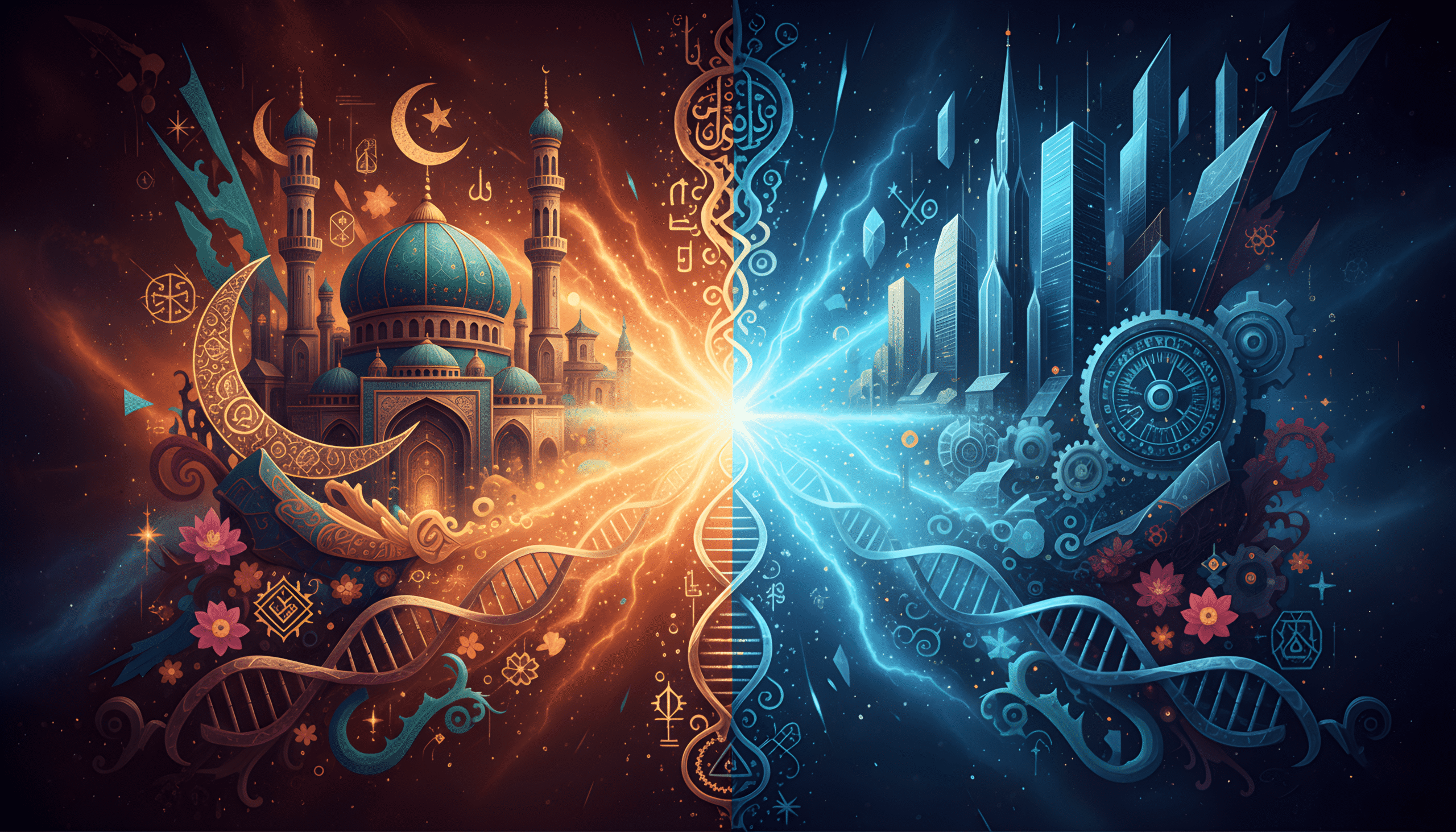
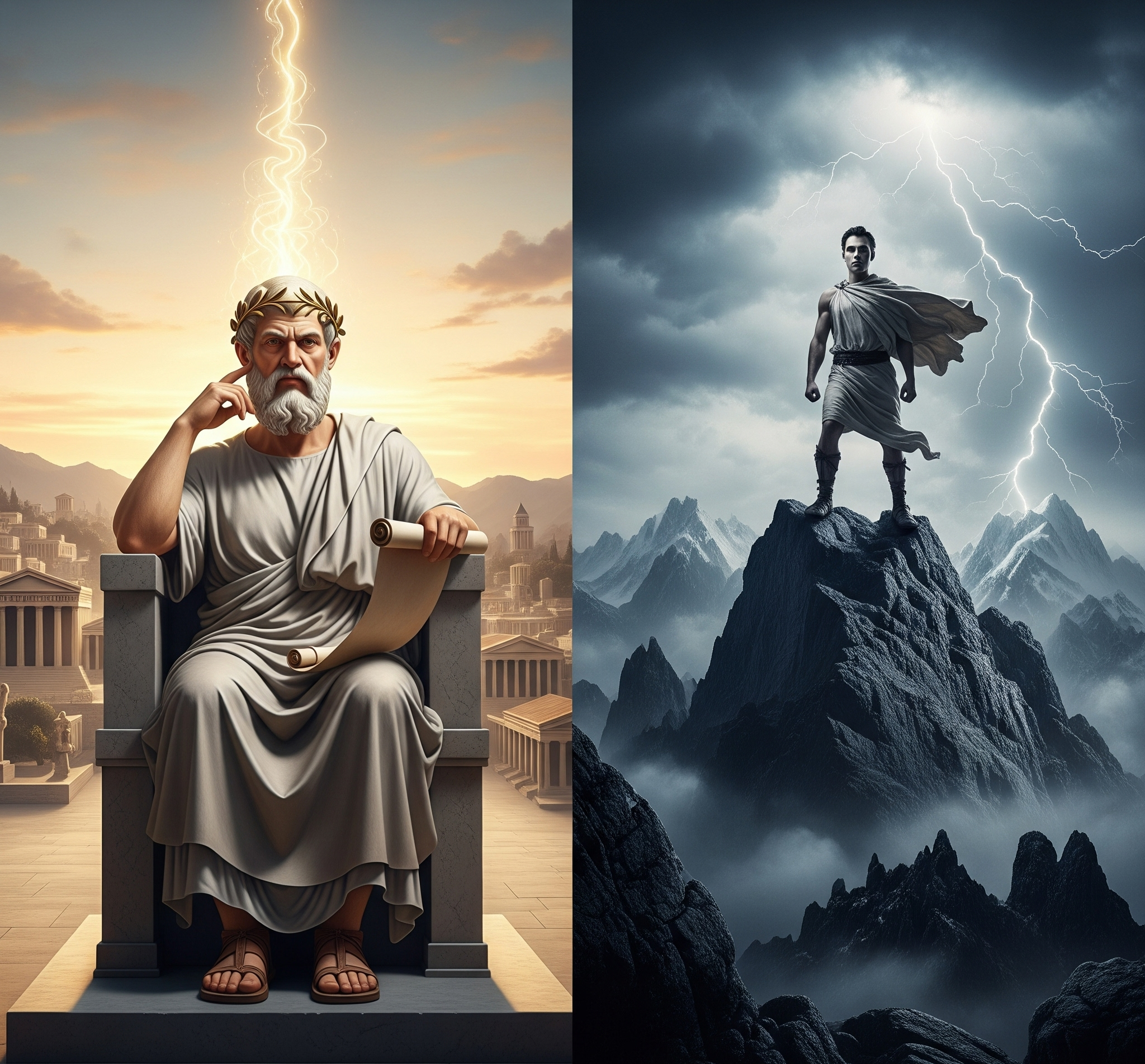
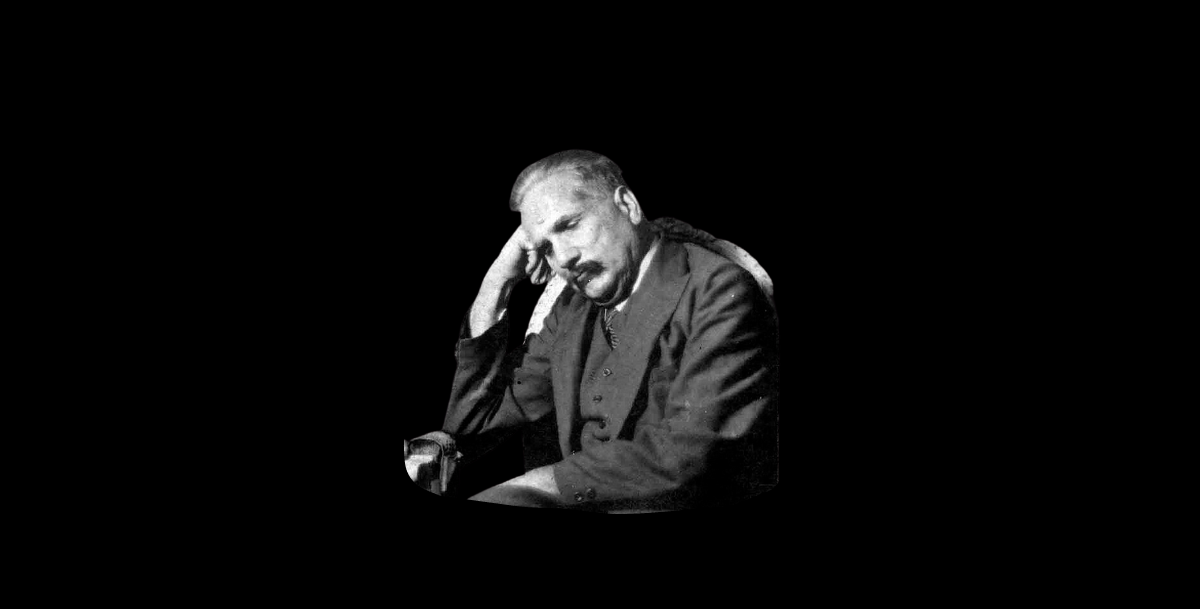
The concept of the “perfect man” is a philosophical idea that has been discussed in both Western and Islamic thought. Friedrich Nietzsche introduced the idea of the “superman” in the Western philosophical movement of enlightenment, which proposed that one must create their own meaning and morality. However, the renowned Islamic philosopher and poet, Sir Allama Muhammad Iqbal, criticised Nietzsche’s concept and introduced his version of the “perfect man.” This article explores Iqbal’s concept of the perfect man and its significance in Islamic philosophy.
Iqbal’s concept of the “perfect man” was developed in response to the challenges faced by the Muslim world in the early 20th century, including colonialism, political and economic instability, and the decline of Islamic institutions. Iqbal argued that the key to overcoming these challenges was the development of individuals who were guided by the principles of divine law and committed to the welfare of society. The “perfect man” was envisioned as a model of spiritual perfection who would lead by example and inspire others to work for the greater good.
Background
The concept of the “superman” was introduced by the German philosopher Friedrich Nietzsche in the late 19th century. Nietzsche argued that religion was no longer a viable source of meaning and morality in Western society and that individuals needed to create their own values and morality. He proposed the idea of the “superman” as an individual who had surpassed traditional moral codes and norms and was guided solely by their own will to power. According to Nietzsche, the “superman” was an individual who was able to create their own values, set their own goals, and act according to their own will, regardless of societal expectations or conventional morality.
In contrast, the concept of the “perfect man” has its roots in the Islamic tradition and was introduced by the Islamic philosopher and poet Sir Allama Muhammad Iqbal in the early 20th century. Iqbal argued that human beings were capable of achieving spiritual enlightenment and becoming perfect human beings by following the guidance of divine law. The “perfect man” was an individual who had achieved spiritual perfection and was guided by the principles of justice, compassion, and moral responsibility. The “perfect man” was not an individual who acted solely on their own will, but rather one who was committed to the welfare of society and acted in accordance with divine law.
Iqbal’s Concept of the Perfect Man
Iqbal’s concept of the perfect man is based on the Islamic belief that humans are created as vicegerents of God on earth, and their purpose is to maintain the balance and harmony of the universe. According to Iqbal, the perfect man is one who has realised their full potential and has risen above the needs and bonds of the material world, yet is bound under divine law. Such a perfect man would then attain the status of divine vicegerency and would possess the ability to bend the realms of heaven and earth to their will.
The perfect man is not a solitary figure but a member of a larger society. Therefore, their actions are guided by the principles of justice, compassion, and righteousness. The perfect man is not beyond morality, but they are bound by divine laws that seek to benefit society. Iqbal believes that the perfect man’s actions would be guided by the greater good of society, and they would work towards the betterment of humanity.
Iqbal’s concept of the perfect man also stresses the importance of inner growth and development. The perfect man is not only physically and intellectually strong, but they also possess an unwavering faith in God. They are selfless, humble, and grateful, and their actions are guided by a deep sense of spirituality.
Iqbal’s concept of the perfect man has significant implications for Islamic philosophy. It emphasises the importance of spirituality and inner growth, which is an essential aspect of Islamic thought. It also stresses the importance of morality, justice, and compassion, which are essential for maintaining the balance and harmony of society.
A Comparison with Nietzsche’s Superman
Certainly, a comparison between Iqbal’s concept of the perfect man and Nietzsche’s concept of the superman is necessary to understand the differences between the two philosophical ideas fully. Iqbal’s concept of the perfect man is a response to Nietzsche’s construct of the “superman.” Nietzsche’s concept of the superman emphasises the individual’s power and strength but ignores the importance of morality and society’s greater good. Iqbal’s concept of the perfect man offers a corrective to Nietzsche’s idea and emphasises the importance of the greater good of society.
Nietzsche’s concept of the superman emphasised the individual’s power and strength, which was beyond the bounds of morality. Nietzsche believed that humans needed to overcome their limitations and create their own meaning and morality to achieve greatness. The superman was to be a self-made individual who transcends the norms of society and forges their path in life, which was the foundation of the will to power.
On the other hand, Iqbal’s concept of the perfect man is a more spiritual and religious idea. Iqbal believed that human beings are vicegerents of God on earth and that their purpose was to maintain the balance and harmony of the universe. The perfect man is not an individualistic figure but is bound by divine laws that seek to benefit society. The perfect man is also a member of a larger society, and their actions are guided by the principles of justice, compassion, and righteousness.
Another significant difference between the two concepts is the role of morality. Nietzsche’s superman emphasises the individual’s strength, which is beyond morality, and focuses on individualistic goals. In contrast, Iqbal’s perfect man is bound by divine laws that seek to benefit society and emphasises the importance of morality, justice, and compassion.
In conclusion, while Nietzsche’s superman emphasises the individual’s power and strength and the creation of individual meaning and morality, Iqbal’s perfect man stresses the importance of spirituality, inner growth, morality, justice, compassion and social responsibility. The perfect man is a more holistic and balanced concept that seeks to benefit society as a whole.
The Destructive Impact of Nietzsche’s Superman
Nietzsche’s concept of the superman has been widely criticised for its destructive impact on society. The idea of an individual who is beyond the bounds of morality and is free to act according to their own will is a dangerous one, and it can lead to chaos, anarchy, and destruction. Nietzsche’s emphasis on the will to power and individualism can encourage people to pursue their selfish desires at the expense of others, which can lead to social and political unrest.
One of the most destructive impacts of Nietzsche’s superman is its potential to inspire fascist and authoritarian ideologies. The idea of an individual who is beyond the bounds of morality and is free to act according to their own will can appeal to individuals who seek to establish their dominance over others. Nietzsche’s emphasis on the will to power can also be interpreted as an endorsement of aggression and violence as means of achieving one’s goals.
Moreover, Nietzsche’s concept of the superman has been criticised for its lack of social responsibility. The superman is a figure who is focused on individualism and the pursuit of greatness, and this can lead to a neglect of social and moral responsibilities. The pursuit of individualism and greatness can lead to a disregard for the welfare of others, which can have negative consequences for society as a whole.
The Constructive Impact of Iqbal’s “Perfect Man”
Iqbal’s concept of the “perfect man” has had a constructive impact on Islamic thought, providing a framework for spiritual and ethical development that has helped to guide Muslims through the challenges of the modern world. This concept has helped Muslims to reconnect with their spiritual heritage, develop a more robust ethical framework, and take an active role in shaping the future of their communities and societies.
One of the most significant impacts of Iqbal’s concept of the “perfect man” has been its contribution to the revival of Islamic spirituality. In the face of the challenges of modernity, many Muslims had become disconnected from their spiritual heritage, leading to a decline in religious practice and values. Iqbal’s concept of the “perfect man” helped to inspire a renewed interest in Islamic spirituality, providing Muslims with a framework for developing a deeper understanding of Islamic values and principles. This has helped to reinvigorate Islamic spirituality, bringing new vitality and enthusiasm to the practice of Islam.
Another important impact of Iqbal’s concept of the “perfect man” has been its contribution to the development of Islamic ethics and morality. By emphasizing the importance of social responsibility and moral obligation, Iqbal provided a framework for Muslims to develop a more robust ethical framework that is grounded in Islamic values and principles. This has been particularly important in the face of contemporary challenges, such as globalization and the erosion of traditional Islamic institutions. The concept of the “perfect man” has helped Muslims to navigate these challenges by providing a moral compass that is rooted in Islamic teachings.
Finally, Iqbal’s concept of the “perfect man” has had a constructive impact on the role of the individual in Islamic thought. By emphasizing the importance of the individual in the development of society, Iqbal provided a framework for Muslims to take an active role in shaping the future of their communities and societies. This has helped to inspire a new generation of Muslim activists and thinkers who are committed to working for the greater good and promoting positive change in their communities. The concept of the “perfect man” has helped Muslims to recognize the potential that exists within each individual to make a positive contribution to society.
Conclusion
In conclusion, Iqbal’s concept of the perfect man offers a unique perspective on the idea of human perfection. It stresses the importance of spirituality, inner growth, and morality and emphasises the greater good of society. Iqbal’s concept of the perfect man is an essential aspect of Islamic philosophy and provides a corrective to Nietzsche’s idea of the superman. Ultimately, the perfect man is not an individualistic concept but a social one that seeks to benefit humanity.