
Introduction
The idea of a unified Muslim currency has been proposed for many years. It refers to the creation of a single currency that would be used by all Muslim countries, similar to the euro used in the European Union. The primary objective of a unified Muslim currency is to promote economic integration among Muslim countries, enhance trade and investment, and decrease reliance on non-Muslim countries’ currencies. This article will delve into the history, attempts, hurdles, need, urgency, benefits, and feasibility of a unified Muslim currency.
History
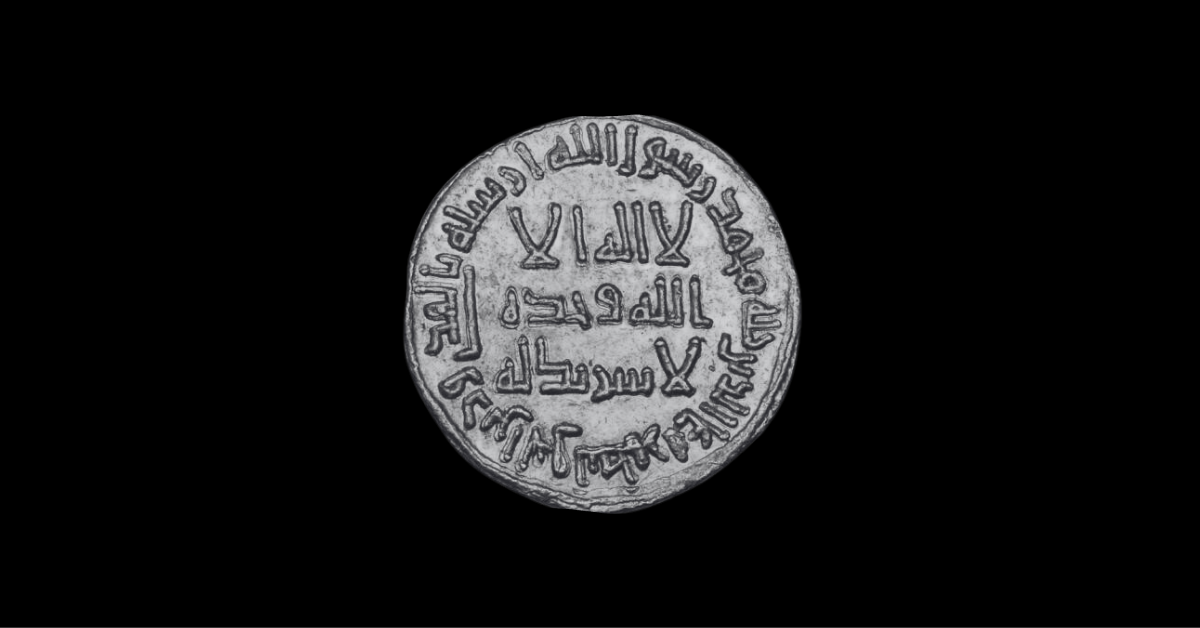
The idea of a unified Islamic currency can be traced back to the historical Islamic currency system. During the Islamic golden age, the Islamic dinar and dirham were widely used as a medium of exchange across the Muslim world. These coins were based on the weight of gold and silver and were accepted as a standard unit of value. The Islamic currency system was known for its stability and reliability, and it played a crucial role in facilitating trade and commerce.
However, with the decline of the Islamic caliphate, the use of Islamic coins declined, and the global financial system became dominated by Western currencies. In the modern era, there have been several attempts to revive the Islamic currency system and create a unified Islamic currency.
Initiatives to Establish a Unified Islamic Currency:
The Ottoman Empire:
One of the earliest attempts to establish a unified Islamic currency was made by the Ottoman Empire in the 19th century. The Ottoman lira was created as a common currency system that was used in various regions under Ottoman rule. The currency was based on the weight of gold and silver and was intended to provide stability and uniformity in the Ottoman economy. However, the Ottoman lira was not widely adopted outside the Ottoman Empire, and the currency system eventually fell apart.
Arab Monetary Fund:
In the 20th century, the Arab League created the Arab Monetary Fund to facilitate economic cooperation and development among Arab nations. The fund considered the creation of a common currency, but the idea was not implemented.
Islamic Development Bank:
In 2002, the Islamic Development Bank (IDB) proposed the creation of an Islamic gold dinar and silver dirham, which would serve as a common currency for Muslim nations. The IDB argued that this currency would be based on Islamic principles and would provide stability and security in the global financial system. However, this proposal did not gain widespread support.
Islamic Gold Dinar:
In 2009, Malaysia proposed the creation of a gold-backed currency called the Islamic Gold Dinar, which would be used as a common currency for Muslim nations. The currency was intended to provide an alternative to the existing global financial system and promote stability and security. However, the proposal was not widely adopted.
Aber Cryptocurrency:
In recent years, there has been growing interest in digital currencies among Muslim nations. In 2018, the United Arab Emirates and Saudi Arabia announced plans to launch a joint cryptocurrency called Aber. The cryptocurrency is based on blockchain technology and is intended to provide a secure and efficient means of exchanging value. However, the project is not a unified Muslim currency, and its implementation is limited to the UAE and Saudi Arabia.
Hurdles
There are significant hurdles and barriers that have prevented the creation and implementation of a unified islamic currency. These challenges include but are not limited to, differences in economic policies, trade relations, political systems, and the lack of a clear backing for the currency.
Differences in Economic Policies:
One of the main challenges to creating a unified Muslim currency is the significant differences in economic policies among Muslim nations. Each country has its own economic system, regulatory framework, and monetary policies. For example, some countries have a fixed exchange rate regime, while others have a floating exchange rate. These differences can make it difficult to create a unified currency that can meet the needs of all countries.
Trade Relations:
Another challenge is the differences in trade relations among Muslim nations. Each country has its own trading partners, tariff regimes, and non-tariff barriers. Some countries have more trade with Muslim nations, while others have more trade with non-Muslim nations. These differences can make it difficult to establish a common currency that can facilitate trade among all countries.
Political Systems:
The differences in political systems among Muslim nations can also present a challenge. Some countries have democratic systems, while others have authoritarian regimes. These differences can affect the willingness of countries to participate in a unified currency system. Countries with authoritarian regimes may be more hesitant to participate in a system that requires cooperation and coordination with other countries.
Lack of Clear Backing:
Another challenge is the lack of a clear backing for the currency. Proponents of a unified Muslim currency have suggested using gold or other precious metals as a basis for the currency. However, this approach presents several challenges, including the limited availability of gold and the fluctuation in its value. Other proponents have suggested using a basket of currencies or other assets as a backing, but this approach may be difficult to implement and could lead to disagreements among participating countries.
Need and Urgency
One of the primary reasons for the need for a unified Islamic currency is economic. Currently, many Islamic countries use their own currencies, which are often subject to volatility and fluctuations in international currency markets. This can create instability and uncertainty, which can make it difficult for businesses to operate effectively. By adopting a unified Islamic currency, member countries could create a more stable and predictable economic environment, which would be more conducive to investment and economic growth.
Another reason for the need for a unified Islamic currency is political. Many Islamic countries have a history of political instability and conflict, which can be exacerbated by economic issues. By creating a common currency, member countries could work together more closely, which could help to promote peace and stability in the region.
Religious considerations are also a factor in the need for a unified Islamic currency. Islamic law, or Shariah, prohibits the charging of interest on loans. However, many modern banking systems, including those in Islamic countries, rely on interest-based transactions. By adopting a unified Islamic currency, member countries could create a financial system that is more in line with Islamic principles, which could help to strengthen the Islamic economy and promote greater prosperity for all.
In addition to these factors, there are also strategic considerations that make a unified Islamic currency an urgent need. The global economic system is becoming increasingly integrated, and many countries are seeking to gain a competitive advantage by forming economic alliances and trade agreements. By creating a unified Islamic currency, member countries could strengthen their position in the global economy, and become more competitive in the international marketplace.
There are also potential challenges and risks associated with the creation of a unified Islamic currency. These include issues related to currency valuation, monetary policy, and the management of economic and political risks. However, with careful planning and collaboration, these challenges can be addressed, and the benefits of a unified Islamic currency can be realized.
Benefits
The creation of a unified Islamic currency has the potential to bring significant benefits to member countries. Some of the key advantages include:
- Increased Economic Stability: One of the primary benefits of a unified Islamic currency is that it would create a more stable economic environment for member countries. Currently, many Islamic countries use their own currencies, which are often subject to volatility and fluctuations in international currency markets. By adopting a common currency, member countries could reduce their exposure to currency risk, and create a more predictable economic environment that is more conducive to investment and economic growth.
- Enhanced Trade: A unified Islamic currency would also make it easier for member countries to trade with one another. Currently, many Islamic countries use different currencies, which can create barriers to trade and increase transaction costs. By using a common currency, member countries could eliminate these barriers and reduce transaction costs, which would make it easier and more cost-effective for businesses to trade with one another.
- Strengthened Political and Economic Cooperation: The creation of a unified Islamic currency would also help to strengthen political and economic cooperation between member countries. By adopting a common currency, member countries would be more closely aligned, and would have a shared interest in maintaining economic stability and promoting growth. This could help to reduce political tensions and promote greater cooperation on a range of issues.
- Promotes Islamic Values: Islamic law prohibits the charging of interest on loans, which can create challenges for modern banking systems. By adopting a unified Islamic currency, member countries could create a financial system that is more in line with Islamic principles, which could help to strengthen the Islamic economy and promote greater prosperity for all.
- Improved Global Competitiveness: The global economic system is becoming increasingly integrated, and many countries are seeking to gain a competitive advantage by forming economic alliances and trade agreements. By creating a unified Islamic currency, member countries could strengthen their position in the global economy, and become more competitive in the international marketplace. This could help to attract foreign investment and create new opportunities for growth.
- Greater Economic Autonomy: By adopting a unified Islamic currency, member countries would have greater control over their monetary policy and currency valuation. This would reduce their dependence on external factors such as exchange rate fluctuations and monetary policy decisions made by foreign central banks. Greater economic autonomy would also give member countries greater flexibility to respond to economic challenges and promote growth.
Feasibility
While the idea of a unified Islamic currency has many potential benefits, there are also significant challenges that must be overcome in order to make it a feasible option. Some of the key factors that must be considered when assessing the feasibility of a unified Islamic currency include:
- Economic Integration: The success of a unified Islamic currency would depend largely on the level of economic integration among member countries. To adopt a common currency, member countries would need to have similar economic structures, trade patterns, and monetary policies. If member countries are too divergent in these areas, it could make it difficult to implement a common currency.
- Political Will: The creation of a unified Islamic currency would require a high level of political will and cooperation among member countries. This would require countries to put aside their individual interests and work towards a common goal. If member countries are not willing or able to cooperate, it could make it difficult to implement a common currency.
- Currency Valuation: One of the key challenges of a unified Islamic currency would be determining the initial valuation of the currency. This would require member countries to agree on a valuation method that is fair and equitable for all countries. If member countries cannot agree on a valuation method, it could delay or prevent the implementation of a common currency.
- Central Bank Management: A unified Islamic currency would require a central bank to manage the currency and implement monetary policy. Member countries would need to agree on the structure and governance of the central bank, as well as the mechanisms for setting interest rates and regulating the money supply. If member countries cannot agree on the structure and governance of the central bank, it could create instability and undermine the effectiveness of the common currency.
- Regulatory Framework: A unified Islamic currency would require a regulatory framework to ensure the stability and integrity of the financial system. Member countries would need to agree on common standards and regulations for banking, securities, and other financial markets. If member countries cannot agree on a regulatory framework, it could create uncertainty and undermine the effectiveness of the common currency.
- Implementation Costs: The implementation of a unified Islamic currency would require significant investment in infrastructure, technology, and human resources. Member countries would need to invest in the development of a payment system, currency exchange mechanisms, and other infrastructure to support the common currency. If member countries are not willing or able to make these investments, it could delay or prevent the implementation of a common currency.
Proposal
Creating a unified Islamic currency is a complex undertaking that would require significant planning and coordination among member countries. Here are some suggestions and proposals on how to create a unified Islamic currency:
- Establish an Economic Integration Framework: The first step in creating a unified Islamic currency would be to establish an economic integration framework among member countries. This would involve harmonizing economic policies, trade patterns, and monetary policies among member countries. This framework would create the foundation for a common currency and would help to ensure that member countries are sufficiently integrated to make the currency viable.
- Establish a Common Valuation Method: The next step in creating a unified Islamic currency would be to establish a common valuation method for the currency. This would involve agreeing on a fair and equitable method for valuing the currency based on the economic fundamentals of member countries. This valuation method would be used to determine the initial exchange rate of the currency.
- Establish a Central Bank: A unified Islamic currency would require a central bank to manage the currency and implement monetary policy. Member countries would need to agree on the structure and governance of the central bank, as well as the mechanisms for setting interest rates and regulating the money supply. This central bank would also be responsible for maintaining the stability of the financial system and ensuring the integrity of the currency.
- Establish a Regulatory Framework: A unified Islamic currency would require a regulatory framework to ensure the stability and integrity of the financial system. Member countries would need to agree on common standards and regulations for banking, securities, and other financial markets. This regulatory framework would help to create a level playing field for businesses and investors and would help to maintain the stability of the financial system.
- Invest in Infrastructure: The implementation of a unified Islamic currency would require significant investment in infrastructure, technology, and human resources. Member countries would need to invest in the development of a payment system, currency exchange mechanisms, and other infrastructure to support the common currency. This investment would be critical to the success of the currency and would help to ensure that it is widely accepted and accessible.
- Develop a Transition Plan: The implementation of a unified Islamic currency would require a carefully planned transition from existing currencies to the common currency. Member countries would need to agree on a timeline for the transition and develop a plan for converting existing currency holdings to the common currency. This transition plan would need to be carefully managed to ensure that it does not disrupt the economy or create uncertainty among businesses and investors.
Conclusion
In conclusion, the idea of a unified Muslim currency has been discussed for many years, but it has yet to become a reality. Creating a common currency would promote economic integration, reduce reliance on non-Muslim currencies, and enhance the political and strategic position of the Muslim world. However, several hurdles, including political, economic, and monetary policy differences, need to be overcome. The feasibility of a unified Muslim currency will depend on the willingness of Muslim countries to coordinate and delegate some control over their monetary policies. Technology, such as blockchain, could also enhance the feasibility of a unified Muslim currency. Regardless, the idea of a unified Muslim currency remains a vital topic for discussion among Muslim countries and international organizations.A Brief On The Idea Of a Unified Muslim Currency