Introduction
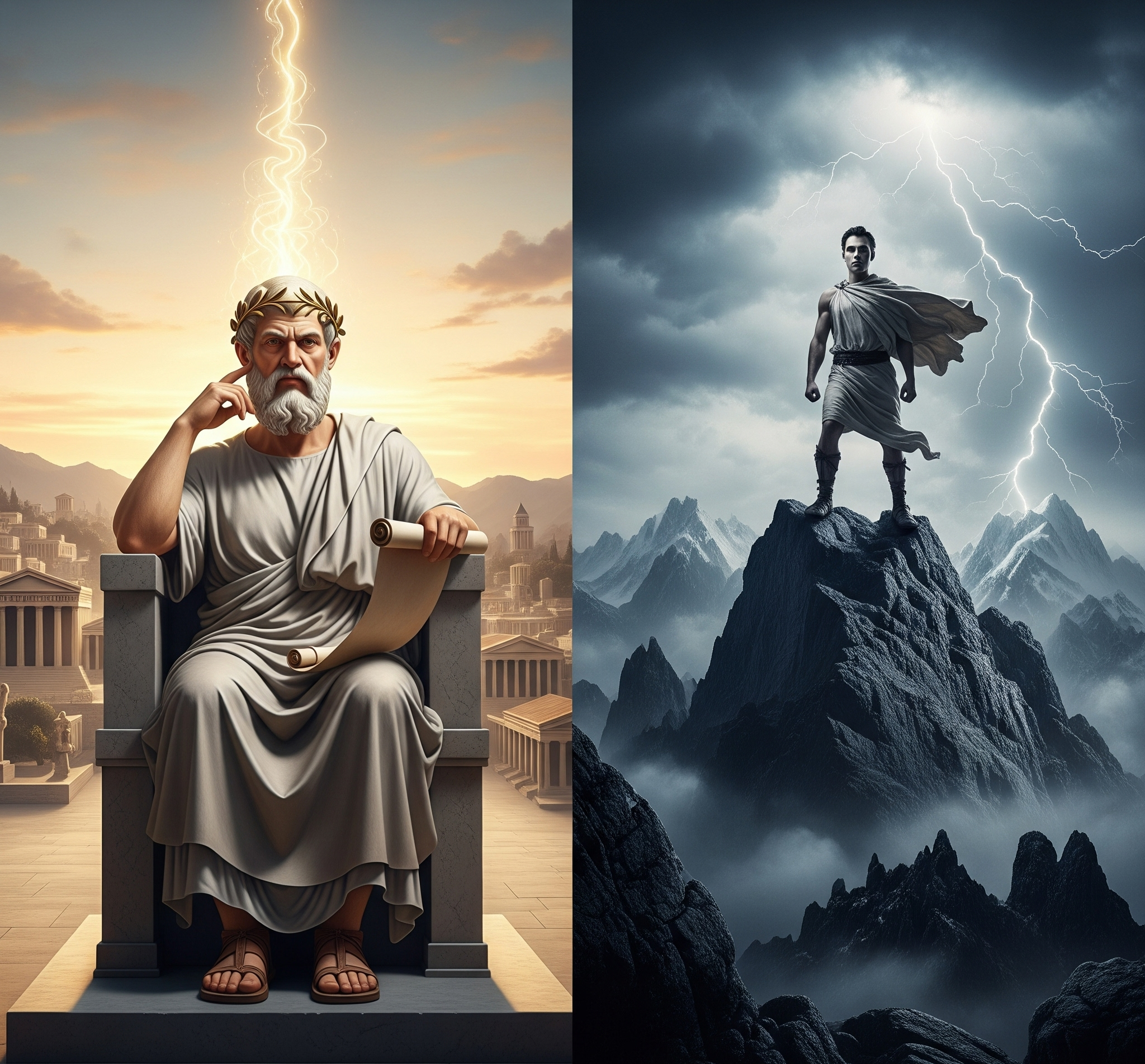
For many, philosophy’s birthplace is firmly planted in 6th century BC Greece, with Thales of Miletus credited as the first philosopher. This article argues that such a narrow view not only undermines the vibrant history of intellectual inquiry across the globe, but also misrepresents the very essence of philosophy itself.
A West-Centric Bias
The focus on Thales as the origin of philosophy reflects a west-centric bias. Modern academic structures, heavily influenced by Western thought, tend to crown Greek civilization as the wellspring of Western philosophy, and by extension, all philosophy. This narrative not only creates a false sense of Western superiority but also overlooks the significant philosophical traditions that blossomed in other cultures throughout history.
Redefining Philosophy
A more inclusive definition of philosophy would see it as the fundamental human drive to understand ourselves, the world around us, and our place within it. This pursuit, manifested through reasoned inquiry and critical thinking, transcends geographical boundaries. It encompasses diverse traditions from various cultures, each grappling with fundamental questions about existence, knowledge, morality, and the nature of reality.
Thinkers Who Paved the Way Before Thales
Even within the Western tradition, philosophy predates Thales. Pre-Socratic philosophers like Anaximander and Heraclitus wrestled with profound questions about the nature of reality, the origin of the universe, and the concept of change. However, the quest for philosophical understanding stretches far beyond the shores of the Aegean Sea:
- Mesopotamia (c. 2100 BCE): The Epic of Gilgamesh, considered one of the oldest surviving works of literature, delves into themes of mortality, the search for meaning, and the human condition. These profound questions are hallmarks of philosophical inquiry.
- India (c. 1500-500 BCE): The vast philosophical and religious tradition of Hinduism finds expression in the Upanishads, ancient texts that explore the nature of self (Atman), reality (Brahman), and the path to liberation (Moksha). These concepts resonate with core philosophical questions about the nature of existence and the ultimate goal of human life.
- China (c. 6th-5th centuries BCE): Confucius, emphasizing social harmony and ethical conduct, and Lao Tzu, advocating for naturalness and living in accordance with the Tao (the Way), offer contrasting yet profound approaches to living a meaningful life. Their ideas raise questions about the nature of morality, the ideal society, and how humans ought to live in accordance with the natural world.
- Egypt (c. 3000 BCE): Elaborate tomb paintings and inscriptions depict beliefs about the afterlife, the divine, and the importance of living a just life. These elements suggest a developed philosophical understanding of the cosmos, humanity’s place within it, and the ethical principles guiding a good life.
These are just a few examples from a vast tapestry of philosophical traditions. Recognizing these thinkers and their contributions dismantles the notion of philosophy as a solely Western invention and expands our understanding of it as a global pursuit.
Beyond Rigid Structures: The Dynamic Nature of Philosophy
The focus on Thales as the starting point of philosophy also reinforces a misconception of the discipline as a static and unchanging body of knowledge. Even within the Western tradition, philosophy has always been a dynamic and evolving conversation. Different schools of thought, from the rationalism of Plato to the empiricism of Locke, have emerged, debated, and challenged each other’s ideas. This ongoing process of questioning and revising assumptions lies at the very heart of what makes philosophy such a powerful tool for intellectual exploration.
A Call for a More Inclusive Future
Reframing the origins of philosophy as a global endeavor with diverse intellectual traditions allows for a richer understanding of human thought. It dismantles a Eurocentric narrative and acknowledges the valuable contributions of thinkers from all corners of the world. This broader perspective is crucial for a more comprehensive and accurate study of philosophy, and for fostering a more inclusive intellectual discourse that recognizes the universality of the human quest for knowledge and understanding.
Conclusion: The Fruits of a Global Conversation
By delving deeper into non-Western philosophical traditions, we can gain new insights into the human experience. For instance, Confucianism’s emphasis on social harmony offers valuable perspectives on ethics and political philosophy. Similarly, Daoism’s focus on living in accordance with nature can inform contemporary environmental thought. Exploring these diverse traditions allows us to discover alternative ways of thinking about fundamental questions, enriching the overall philosophical landscape.
In a world increasingly interconnected, fostering a more inclusive understanding of philosophy is not just an academic exercise, but a vital step towards appreciating the richness of human thought and fostering cross-cultural dialogue. As we engage with these diverse intellectual traditions, we can cultivate a more comprehensive understanding of ourselves, the world around us, and the possibilities for human flourishing.
Further Reading
Lea Cantor (2022) Thales – the ‘first philosopher’? A troubled chapter in the historiography of philosophy, British Journal for the History of Philosophy, 30:5, 727-750, DOI: 10.1080/09608788.2022.2029347